The Hounslow & District History Society was founded in 1960. Six decades on it is keen to find new members of the society and to strengthen the committee, which manages the society’s affairs.
Does Hounslow have an interesting history?
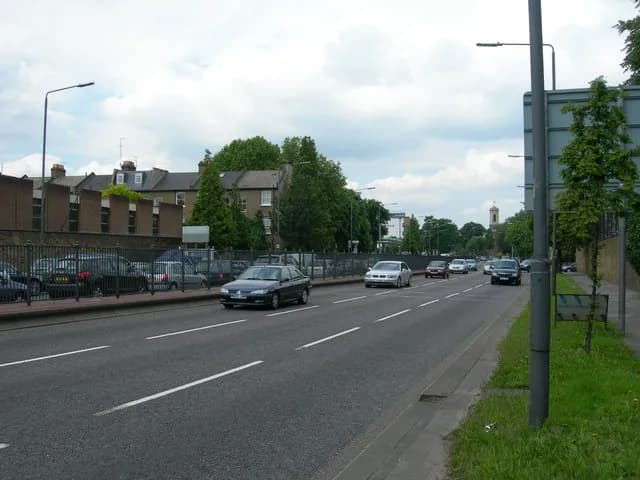
One of Britannia’s top-five Roman Roads runs southwestwards across our district, from Brentford Bridge to Bedfont, forming our modern London Road, Hounslow’s High Street and the Staines Road.
Hounslow and its surrounding communities have Anglo-Saxon names.
The town of Hounslow dates from around the year 1200 when Friars founded a ‘hospital’, actually a mediaeval hotel for travelers on the new London-Bristol Road, which we call Bath Road today. They gained recognition for their Priory, established on land surrounding today’s Holy Trinity Church, from King John. King Henry VIII dissolved the Priory in 1538.
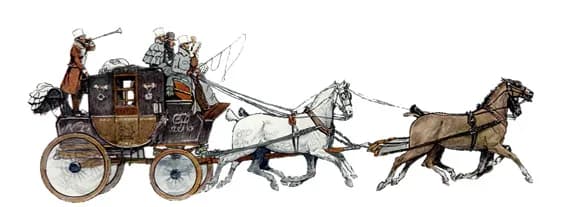
From Tudor times two of England’s most important highways: The Bath and Bristol Road and The Exeter Road, via Staines and Salisbury, came together in front of Hounslow’s Bell Inn, to form a single road into London known as The Great Western Road. In the golden age of stage coaching Hounslow was the largest coach-horse stabling centre in the country. It was the end of the first stage of a journey out of London; and the last place where stage coaches from the West Country changed their horses before reaching their city termini.
In the 1840s, the coming of the railways proved to be the ruin of Hounslow and the making of Feltham. Hounslow’s last stage coach ran through the town in 1847. Boosted by its railway station, built in 1848, Feltham’s growth far exceeded that of neighbouring Bedfont and Hanworth, which became part of Feltham Urban District in 1930.
In the nineteenth century local market gardeners, growing orchard fruits and fields of vegetables around Isleworth, Hounslow and Feltham, provided fresh food for untold thousands of Londoners.
The twentieth century saw the building of the A4 Great West Road and the M4 South Wales Motorway. Our district became built-up, industrialised and urbanized.
How does the Local History Society benefit Hounslow? How could it benefit you?
Hounslow is a town and district with a thousand stories to research, to tell and to re-tell. Its Local History Society has been doing this since 1960.
Membership will bring you into contact with local historians who are knowledgeable in their areas of special interest.
Membership provides access to a season of monthly talks on local history, between September and April, excepting December.
Membership supports the existence of a society whose members understand the significance of our local history and the importance of preserving it.
Members receive two local history journals each year, in March and August. Articles based upon original research, or a fresh telling of an old tale would be welcomed by the editor. Could you help to fill the pages of The Honeslaw Chronicle?
What is the society’s area of interest?
It is the towns and villages on either side of the great and ancient heath of Hounslow that fall within the modern Borough of Hounslow: Bedfont, Feltham and Hanworth; Cranford, Heston, Hounslow, Isleworth and Osterley.
You don’t need to be an expert on local history, just interested in it…
If you would like to join the Hounslow & District History Society
Contact: James Marshall; 0204 618 5696
ajmarshall54@gmail.com