Hounslow Magazine launches this month as a dedicated source of news, features, and community stories for the 299,424 residents of this vibrant west London borough. Our publication aims to reflect the area's remarkable diversity, rich history, and the daily concerns of those who live and work here.
A Borough Like No Other
The London Borough of Hounslow, created on 1 April 1965 under the London Government Act 1963, occupies 21.61 square miles of west London. It borders Richmond upon Thames, Hammersmith and Fulham, Ealing, and Hillingdon, as well as Spelthorne in Surrey. The borough encompasses five distinct towns: Chiswick, Brentford, Isleworth, Hounslow, and Feltham, each with its own character and community.
What distinguishes Hounslow is its extraordinary cultural diversity. According to the 2021 Census, the borough's population is 44.1 per cent White, 36.7 per cent Asian, 7.2 per cent Black, 4.7 per cent Mixed, and 7.3 per cent other ethnicities. In seven of Hounslow town's eight electoral wards, the BAME proportion exceeds 70 per cent. This diversity is reflected in the area's religious landscape: 38.3 per cent Christian, 18.6 per cent with no religion, 16.7 per cent Muslim, 9.5 per cent Hindu, and 8.6 per cent Sikh.
Historical Roots
Hounslow's history stretches back to the 13th century, when Holy Trinity Priory was founded in 1211. The town's name derives from the Anglo-Saxon 'Hundes hlāw', meaning 'the Hound's barrow', and it was recorded in the Domesday Book as 'Honeslaw'. Hounslow Heath, once 4,000 acres, served as a notorious haunt for highwaymen along the coaching routes. The first accurate Ordnance Survey measurements were taken on the heath in 1784, attended by King George IV and Joseph Banks.
The area's aviation connections run deep. Hounslow Heath Aerodrome operated from 1910 to 1920, and the first scheduled daily international commercial air services began here in 1919. Today, Heathrow Airport sits adjacent to the borough boundary, making Hounslow a gateway between London and the world.
Green Spaces and Landmarks
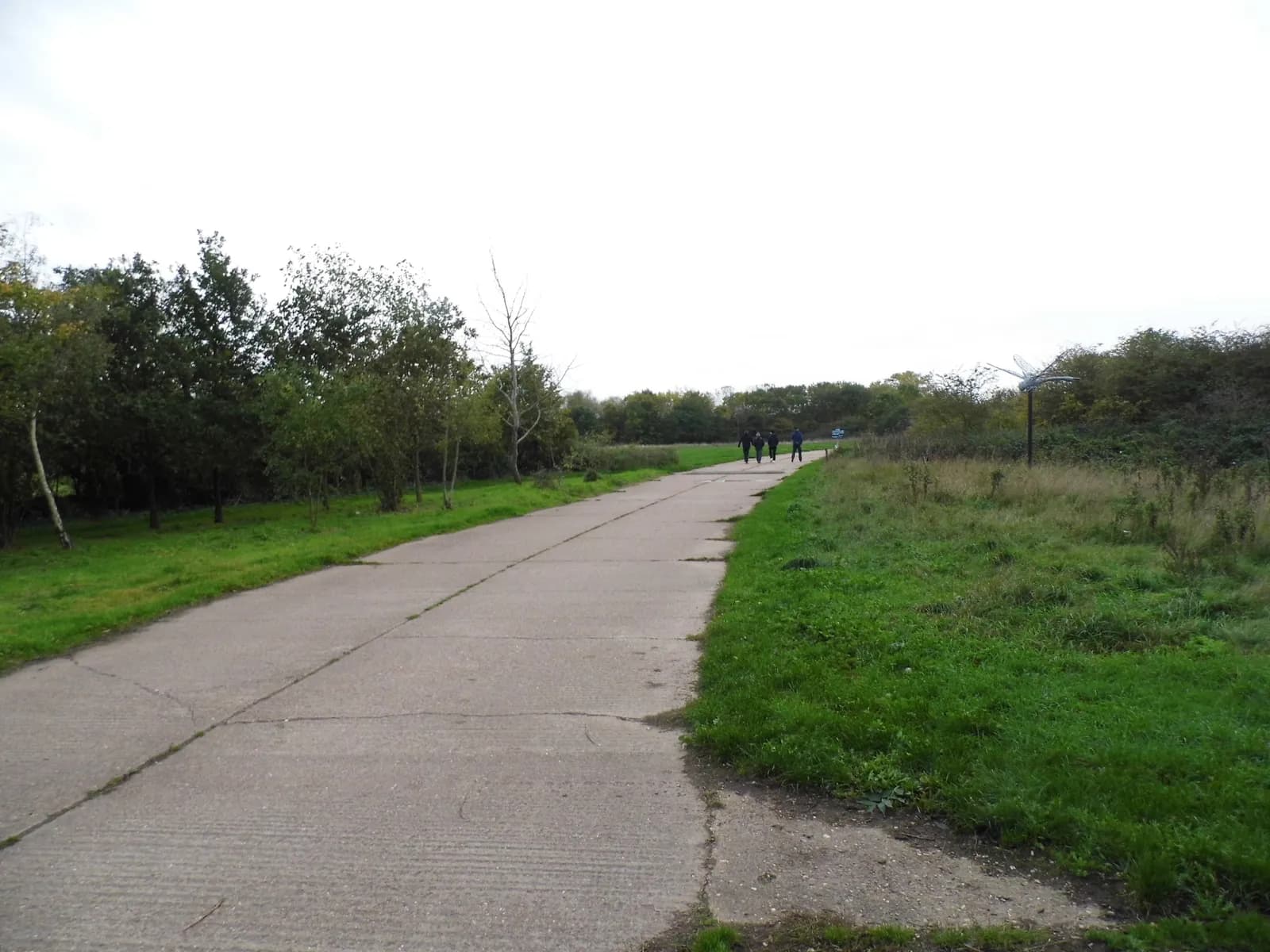
Despite its urban character, a quarter of Hounslow is parkland. The borough contains several nationally significant heritage sites. Chiswick House, a Neo-Palladian villa completed in 1729 and designed by Lord Burlington, stands as a Grade I listed masterpiece. Osterley Park, remodelled by Robert Adam between 1761 and 1765, offers 200 acres of parkland. Syon House, the west London residence of the Duke of Northumberland, dates to 1547–52 and was rebuilt in 1762–69, also Grade I listed.
Connectivity and Economy
Hounslow enjoys exceptional transport links. The Piccadilly Line serves Hounslow East, Hounslow Central, Hounslow West, Osterley, and Boston Manor. The District Line stops at Turnham Green, Stamford Brook, Gunnersbury, and Chiswick Park. National Rail stations at Hounslow, Feltham, Brentford, Isleworth, Chiswick, Kew Bridge, and Syon Lane provide connections to Waterloo and Reading. The A4 Great West Road, A30 Great South West Road, A312 Parkway, and M4 motorway serve the area, whilst the River Thames forms the southern boundary.
The local economy reflects this connectivity. The "Golden Mile" along the Great West Road historically housed major factories including Firestone, Gillette, and Coty. The Gillette factory, built in 1936–37 in Art Deco style with its distinctive 45-metre clocktower, is Grade II listed and is being converted to a digital production studio. DHL Air UK maintains its head office in Orbital Park, Hounslow.
What Hounslow Magazine Will Cover
This publication will focus on the issues that matter to Hounslow residents. We will report on developments such as the High Street Quarter, which will bring a 27-storey residential tower, retail space, restaurants, and a 10-screen Cineworld cinema to the town centre. We will cover council decisions affecting local services, planning applications that shape the borough's future, and community initiatives that strengthen neighbourhoods.
We will explore the area's cultural life, from Bell Square's outdoor performance space to the diverse religious and community festivals that mark the calendar. We will investigate the impacts of Heathrow expansion, transport improvements, and housing developments. We will profile local businesses, charities, and the individuals who make Hounslow distinctive.
Our Commitment
Hounslow Magazine commits to accurate, fair reporting grounded in verified facts. We will draw on official sources including Hounslow Council, transport authorities, and public bodies. We will seek out local voices and ensure our coverage reflects the borough's full diversity. We recognise that Hounslow is not a single place but a collection of communities; Chiswick differs from Feltham, and Brentford from Isleworth. Our coverage will respect these distinctions whilst highlighting what unites the borough.
We welcome reader contributions, story tips, and feedback. This magazine belongs to the community it serves.